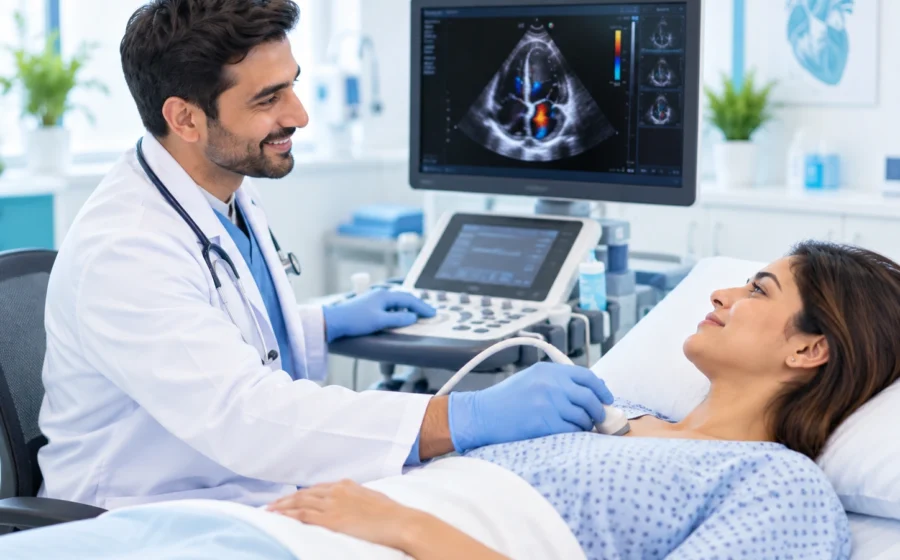
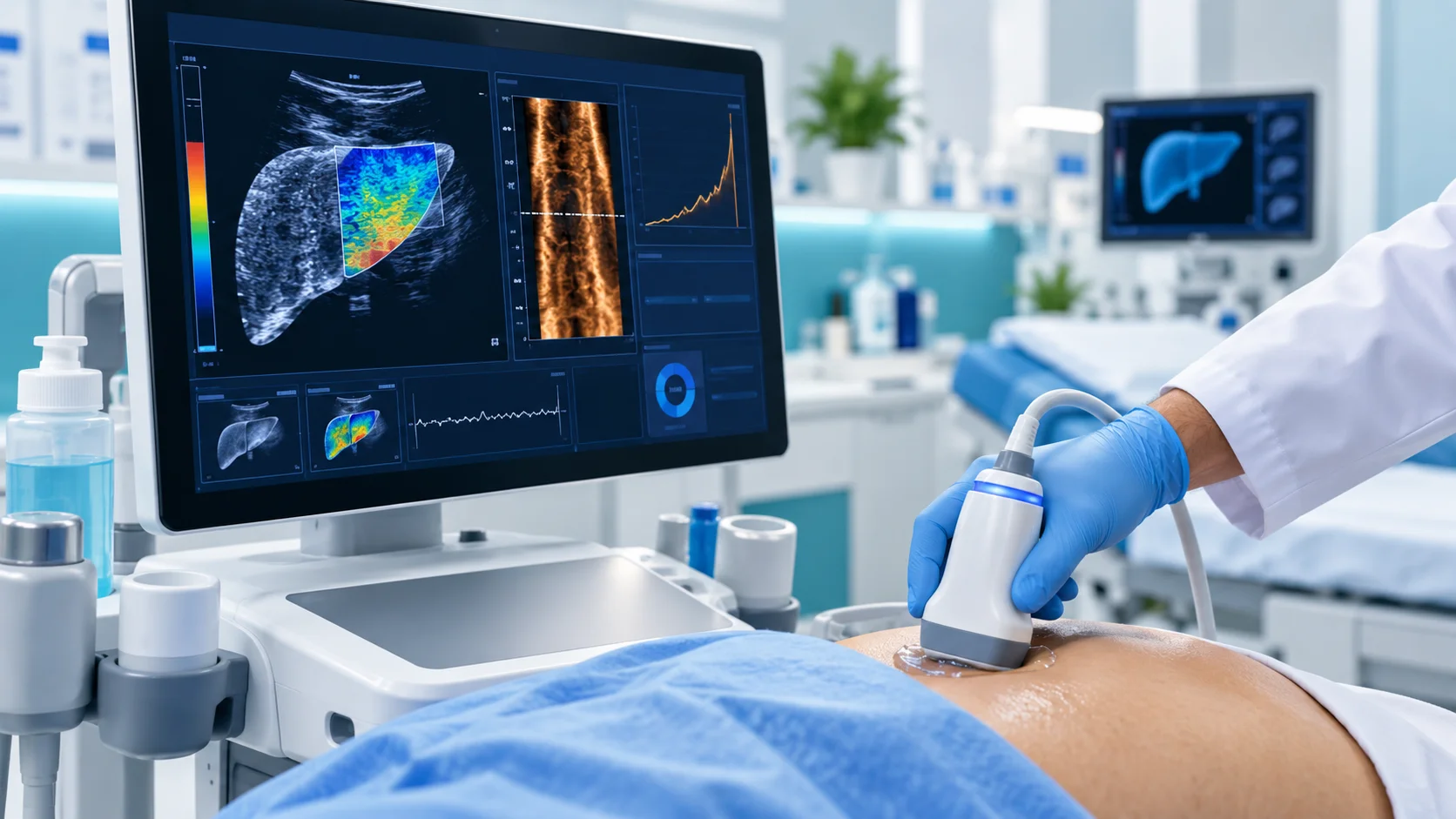
Learn what a FibroScan test is, what it measures, who may need it, how it is performed and what to expect during a liver health assessment at Al Qadir Medical Centre
FibroScan Test: What It Is, Who May Need It and What to Expect
Your liver performs essential functions every day, including processing nutrients, helping remove waste products and supporting many metabolic processes in the body.
However, some liver conditions can develop gradually and may cause few or no obvious symptoms in their early stages, which is why appropriate testing can be important when a doctor suspects a liver-related problem.
One test that may be used to assess liver health is FibroScan, a quick and non-invasive examination that can provide information about liver stiffness and fatty changes in the liver.
At Al Qadir Medical Centre, our aim is to make diagnostic services easier to understand and more accessible so patients can take informed next steps with their healthcare team.

What Is a FibroScan?
FibroScan is a specialised, non-invasive liver assessment also known as transient elastography.
Instead of requiring an incision or inserting an instrument into the body, the examination uses a probe placed against the skin over the liver area.
The test measures how stiff or elastic the liver tissue is, which can provide useful information about possible fibrosis or scarring.
Some FibroScan systems can also assess fatty changes in the liver, helping doctors build a broader picture of liver health alongside blood tests, medical history and other investigations.
What Does a FibroScan Measure?
One of the main measurements obtained during a FibroScan is liver stiffness.
Liver tissue may become stiffer when fibrosis or scarring develops, so measuring stiffness can help healthcare professionals assess whether further investigation, monitoring or treatment may be appropriate.
FibroScan may also provide information about steatosis, which refers to excess fat within the liver.
It is important to understand that a FibroScan result is not interpreted in isolation, because your doctor may consider the result together with your symptoms, medical history, blood tests, ultrasound findings and other relevant investigations.
Why Can Liver Screening Be Important?
Fatty liver disease can sometimes be present without obvious symptoms, which means a person may not immediately realise that their liver needs attention.
Conditions such as overweight or obesity, insulin resistance, type 2 diabetes, metabolic syndrome and abnormal triglyceride or cholesterol levels are among the factors associated with a greater likelihood of fatty liver disease.
Over time, some people with liver disease can develop inflammation and fibrosis, although the progression and level of risk vary considerably between individuals.
Appropriate assessment allows a healthcare professional to understand the situation more clearly and decide whether lifestyle changes, additional investigations, monitoring or treatment are needed.
Who May Be Advised to Have a FibroScan?
A healthcare professional may consider a FibroScan when they want more information about the condition of a patient’s liver.
This can include people with abnormal liver blood-test results, possible fatty liver changes, known liver conditions or risk factors that make liver disease more likely.
The decision to perform a FibroScan should still be based on an individual’s medical circumstances rather than simply having one risk factor.
If you are unsure whether you need a FibroScan, discussing your medical history and previous reports with a doctor is the appropriate starting point.

Is a FibroScan Painful?
FibroScan is generally described as a simple, painless and non-invasive procedure.
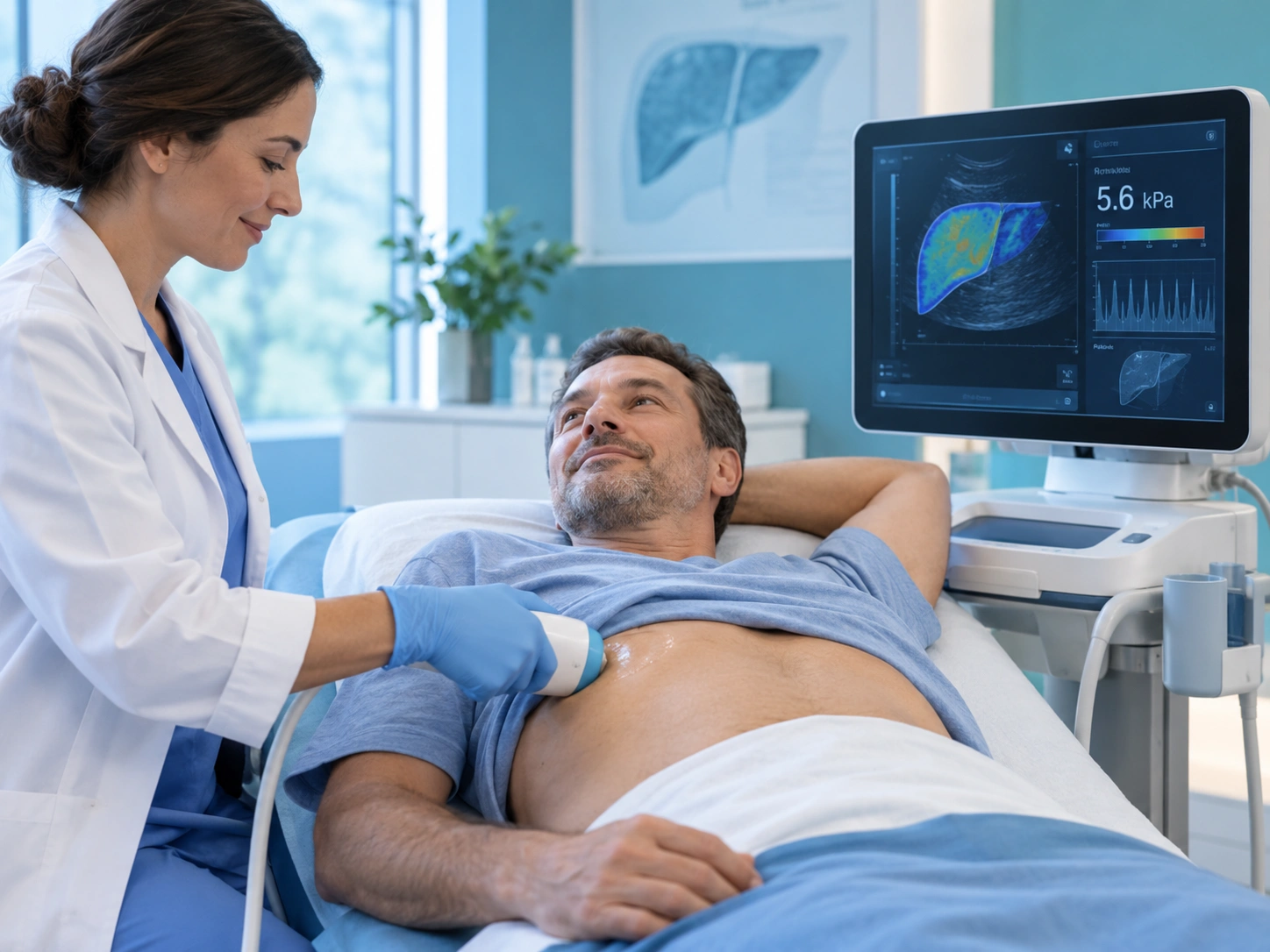
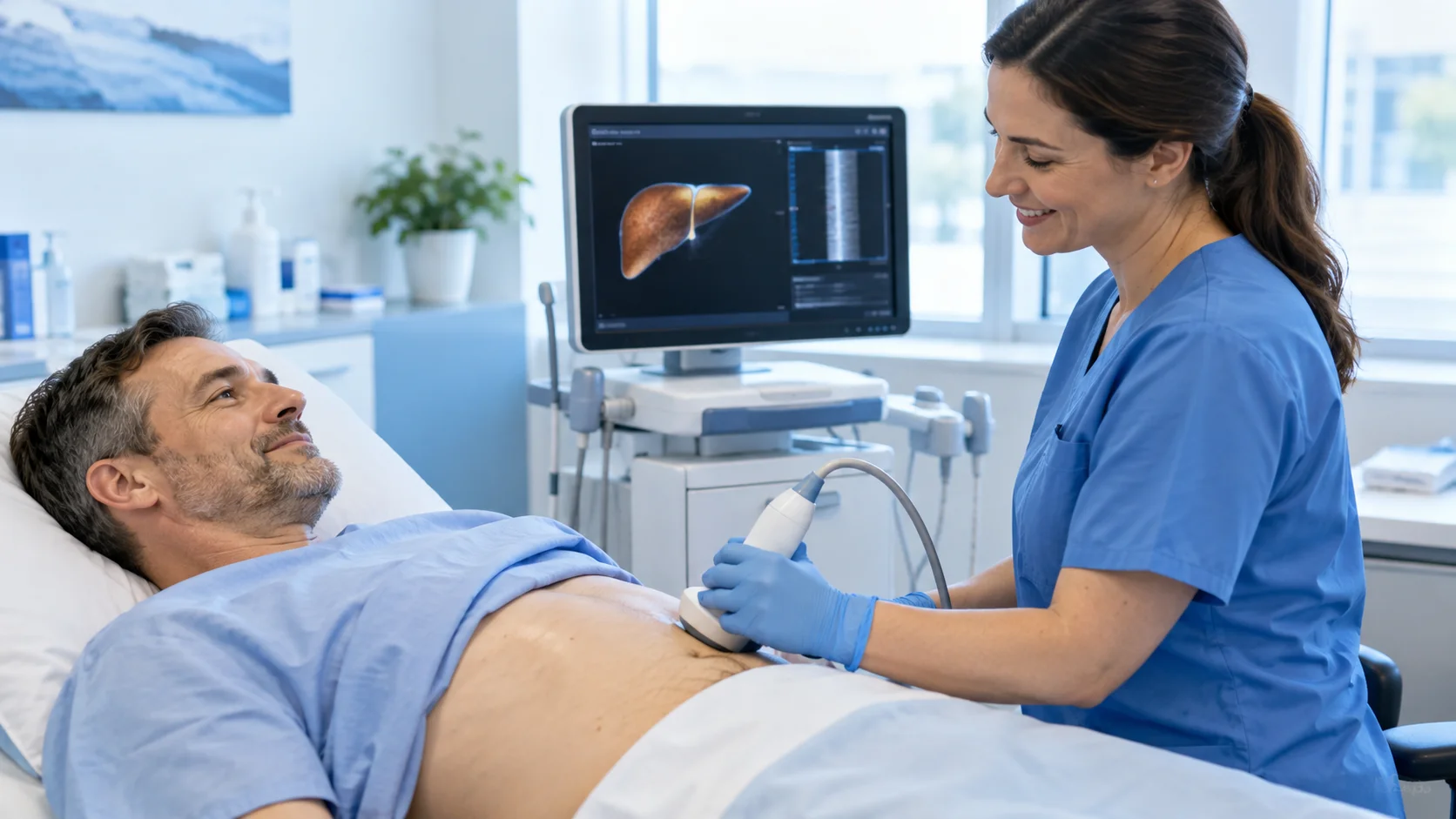
During the examination, you usually lie on your back with your right arm raised while a healthcare professional places a probe against the right side of your abdomen.
A small amount of gel may be applied to the skin, and you may feel a light tapping or flicking sensation when measurements are taken.
There are no needles or surgical incisions involved in the standard FibroScan procedure.
How Long Does a FibroScan Take?
The scan itself is usually relatively quick, and NHS patient information commonly describes the procedure as taking approximately 10 to 20 minutes, although appointment duration can vary between centres and individual patients.
Because the examination is non-invasive, patients can generally return to their usual activities afterwards unless their healthcare professional gives different instructions.
How Should You Prepare for a FibroScan?
Preparation instructions can vary, so you should always follow the directions given by the centre performing your examination.
Some liver services ask patients not to eat for a few hours before FibroScan because food intake can affect measurements.
You should also tell your healthcare team about relevant medical conditions, medications and whether there is any possibility of pregnancy so they can advise you appropriately.
Do not stop prescribed medication unless your doctor or healthcare team specifically tells you to do so.
FibroScan and Fatty Liver
Fat accumulation in the liver can occur in people with metabolic conditions, and fatty liver disease may have few or no symptoms in many cases.
Doctors diagnose and assess fatty liver using a combination of medical history, physical examination and appropriate tests rather than relying on a single measurement.
A FibroScan can contribute useful information about liver fat and stiffness and may therefore form part of the overall assessment when clinically appropriate.
Can FibroScan Replace a Liver Biopsy?
FibroScan can provide valuable information without the invasive procedure involved in obtaining a liver biopsy, and elastography may sometimes be used when assessing liver fibrosis.
However, the two tests are not interchangeable in every medical situation.
A doctor may still recommend additional tests or, in some circumstances, a liver biopsy if more detailed information is required for diagnosis or treatment planning.
The most appropriate investigation depends on the individual patient’s condition and clinical findings.
Understanding Your FibroScan Result
FibroScan measurements should be interpreted by an appropriately qualified healthcare professional rather than trying to diagnose yourself from a number found online.
The significance of a liver-stiffness measurement can vary depending on the underlying liver condition and other clinical factors.
Your doctor may therefore interpret your result alongside liver-function tests, ultrasound findings, your medical history and other relevant information before discussing what happens next.
A higher value does not automatically provide a complete diagnosis by itself, and an individual result should always be considered in its proper clinical context.
Looking After Your Liver
A FibroScan helps assess liver health, but maintaining healthy everyday habits remains important for long-term wellbeing.
For people with fatty liver disease who are overweight or have obesity, doctors may recommend gradual weight loss, healthier food choices and regular physical activity because these measures can reduce liver fat and may improve inflammation and fibrosis.
Avoid starting supplements or herbal remedies specifically for liver disease without discussing them with a healthcare professional, because some products can themselves cause liver injury.
The right approach depends on your health, medications and underlying medical conditions, so personalised medical advice is important.
FibroScan at Al Qadir Medical Centre
If your doctor has advised you to assess your liver health, or you have previous reports you would like to discuss, Al Qadir Medical Centre can help you understand the appropriate next step.
Our focus is on making diagnostic care straightforward and patient-friendly while ensuring that investigations are considered alongside appropriate medical guidance.
You can explore our FibroScan Liver Assessment service, contact our team or request an appointment to learn more about availability and preparation requirements.
Frequently Asked Questions
What is the main purpose of a FibroScan?
A FibroScan measures liver stiffness and can provide information about fibrosis or scarring, while some systems also assess fatty changes within the liver.
Does a FibroScan hurt?
The procedure is generally considered painless and non-invasive, although you may notice a light tapping or flicking sensation from the probe during measurements.
How quickly is a FibroScan completed?
The actual scan often takes around 10 to 20 minutes, though total appointment time can differ depending on the centre and individual circumstances.
Can FibroScan diagnose fatty liver?
FibroScan can provide measurements related to liver fat and stiffness, but diagnosis should be made by a healthcare professional using the scan together with your medical history and any other necessary investigations.
Do I need a FibroScan if I feel healthy?
Not everyone needs a FibroScan, and some liver conditions can exist without obvious symptoms, so whether testing is appropriate should be decided based on your medical history, risk factors, blood tests and clinical assessment
This article is for general educational purposes only and should not replace professional medical advice, diagnosis or treatment.